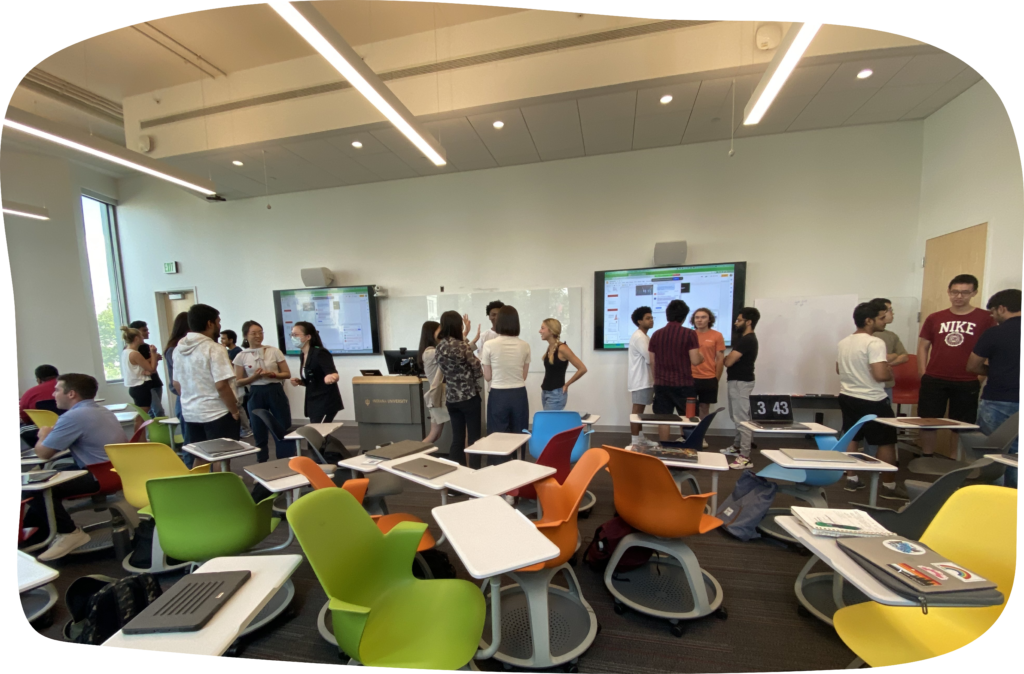
In 2016, I became an Adjunct Lecturer of Human-Computer Interaction Design, Product Management, and Strategy in the Indiana University Luddy School of Informatics, Computing, and Engineering.
I300 – HCI/Interaction Design
Teaching history
Spring 2016, Fall 2016, Fall 2017, Fall 2018 | course history
Course description
An intermediate course that teaches students how to assess the usability of software through quantitative and qualitative methods, including conducting task analyses, usability studies, heuristic inspections, interviews, surveys, and focus groups. The course also introduces students to the tools and techniques for designing and testing user interfaces based on a human-centered methodology.
This course introduces students to the foundations of Human-Computer
Interaction Design (HCI/D). The field of Human-Computer Interaction (HCI) has
origins primarily in computer science and cognitive psychology. As HCI expands
its scope beyond workplace efficiency and productivity, it is increasingly seeking a
“designerly” sensibility that is rooted in traditions of the arts, architecture, fashion,
interior design, product design, graphic design, and service design, among others.
At the end of this class, successful students will
- have the ability to articulate the Product Design/User Experience role and the key differences from other technical professions
- have a clear understanding of different types of research methodologies used to conduct quantitative and qualitative human-centered discovery
- understand the design process and the iterative nature of product building
- develop a familiarity with tools Product Designers use to do their jobs effectively
- understand the importance of research, continuous improvement in production design work, critique, usability testing and validation, collaboration and alignment with other technical roles
I400/I590 – Product Management
Teaching history
Fall 2021, Fall 2022, Fall 2023 | course history
Course description
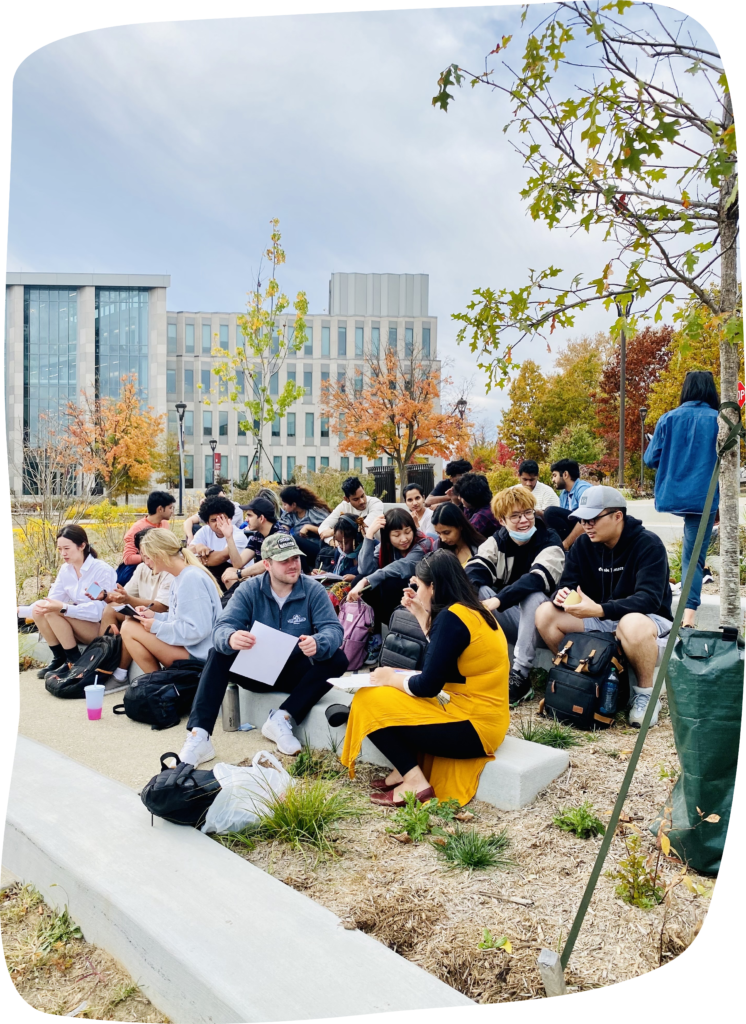
This course will introduce students to the professional field of Product Management; a multi-disciplinary role on a product development team that owns the success of a product from initial idea to full implementation in the marketplace. This class will include lecture topics relevant to the field of Product Management, guest speakers from professionals working in the field, and practical, hands-on projects and activities to allow students to practice Product Management.
There will be smaller assignments to demonstrate learned competencies each week and a large, semester-long project where students work on teams to move through the entirety of the product development lifecycle from idea to implementation.
Course goals and outcomes
At the end of this class, successful students will
- have the ability to articulate the Product Management role and the key differences from other professions (such as Project Management, Product Design, Product Marketing, Program Management, etc.).
- have a clear understanding of different types of Product Managers and the hard and soft skills required for each type
- understand the role Product Managers play in the broader R&D team within an organization
- develop a familiarity with tools Product Managers use to do their jobs effectively
- understand the importance of success metrics, determining ROI, communicating and collaborating with different stakeholders